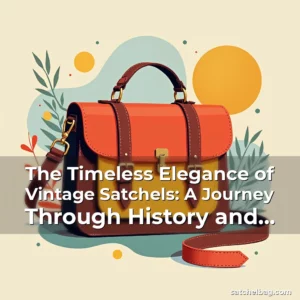
The Timeless Elegance of Vintage Satchels: A Journey Through History, Craftsmanship, and Modern Revival
Vintage satchels have transcended mere functionality to become symbols of timeless elegance and storied craftsmanship. These iconic leather bags, once staples of students, travelers, and professionals alike, now captivate collectors, fashion enthusiasts, and those seeking meaningful accessories that tell a story.
In an era dominated by fast fashion and disposable items, vintage satchels stand out as heirlooms—pieces imbued with history, character, and unparalleled quality. Their enduring appeal lies not only in their aesthetic charm but also in the rich narratives they carry from past decades.
A Historical Perspective: The Origins and Evolution of the Satchel
The term “satchel” originates from the Old French word *sac*, meaning bag, and its design has roots stretching back centuries. Early versions were simple canvas or leather pouches used by scholars and monks to transport books during medieval times.
By the 18th century, satchels had evolved significantly, becoming essential travel companions for explorers, soldiers, and academics. Their practicality made them indispensable across various professions, while their durability ensured longevity even under harsh conditions.
The Industrial Revolution brought new materials and manufacturing techniques, leading to mass production. However, many artisans continued crafting hand-stitched, high-quality satchels that stood apart from factory-made imitations.
During the early 20th century, satchels became synonymous with education and professionalism. Students carried textbooks in sturdy leather cases, while businessmen relied on them for transporting documents and personal effects.
- Medieval Roots: Initially designed as small leather pouches for carrying writing tools and manuscripts, these early satchels reflected the needs of scholars and religious figures.
- Military Influence: Soldiers adopted modified satchels for carrying supplies and weapons, shaping the modern iteration’s structure and reinforced stitching.
- Educational Era: By the mid-1900s, universities popularized satchels among students, creating a cultural association between the style and academic life.
Craftsmanship and Materials: What Makes Vintage Satchels Unique?
Vintage satchels are distinguished by their meticulous construction and choice of premium materials. Unlike contemporary designs often prioritizing affordability over artistry, old-school satchels reflect a commitment to enduring quality.
Full-grain leather is a hallmark feature of authentic vintage pieces. This type of leather retains natural imperfections such as scars and wrinkles, which add depth and individuality rather than detracting from beauty.
Hand-sewn stitching remains another defining characteristic. Skilled craftsmen employed techniques passed down through generations, ensuring each stitch was both functional and aesthetically pleasing.
Brass hardware, including buckles and clasps, adds weight and heft to vintage satchels. These components were typically crafted using solid metal alloys, contributing to the overall robustness of the piece.
The Legacy of Leather Tanning Techniques
Traditional tanning methods played a crucial role in determining the final texture and durability of vintage leathers. Chrome-tanned leather, introduced in the late 19th century, offered improved flexibility compared to older vegetable-tanned varieties.
Vegetable tanning, however, remained favored for producing supple yet durable leathers suitable for long-term use. This process involved soaking hides in tannins derived from tree bark, resulting in a deep brown hue that aged beautifully over time.
Tanners who mastered these ancient practices could create leathers resistant to cracking and peeling—a trait highly valued in vintage satchels still admired today.
Modern synthetic treatments often lack the organic qualities found in naturally tanned skins, making genuine vintage leathers increasingly sought after by discerning buyers.
Iconic Brands and Models That Shaped Satchel Culture
Several brands have left indelible marks on satchel culture through innovation, tradition, and exceptional design. Among the most revered names in vintage satchel history are Louis Vuitton, Herschell Gordon Lewis, and Delsey.
Louis Vuitton revolutionized luggage with his invention of lightweight monogrammed trunks in the 19th century. Though initially focused on suitcases, the brand later expanded into smaller bags—including satchels—with signature patterns that remain instantly recognizable today.
Herschell Gordon Lewis emerged in the 1960s as a pioneer of American-style satchels. His company produced affordable yet stylish options tailored to university students, helping establish satchels as everyday essentials beyond formal contexts.
Delsey gained prominence for creating durable, multi-compartment satchels ideal for travelers and commuters. Their models featured reinforced corners and ample storage space, addressing practical concerns without sacrificing aesthetics.
- Legacy Pieces: Iconic models like the Louis Vuitton Speedy and Delsey’s Checkerboard line continue to inspire modern interpretations despite being nearly a century old.
- Collectibility: Limited-edition releases from these historic brands often command high prices at auctions due to their historical significance and limited availability.
- Cultural Impact: Many vintage satchels bear signs of wear that tell stories—scratches from years of travel, faded logos, or personalized engravings—all contributing to their allure.
Styling Vintage Satchels Today: Bridging Eras with Fashion Sense
Despite originating in earlier centuries, vintage satchels seamlessly integrate into modern wardrobes when styled thoughtfully. Whether paired with casual attire or formal wear, these bags offer versatility unmatched by many contemporary alternatives.
To achieve a cohesive look, consider color coordination. Dark shades like black, navy blue, or burgundy complement virtually any outfit, whereas lighter tones require more careful matching to avoid clashing with other elements.
Accessorize wisely by choosing belts, scarves, or jewelry that echo either the satchel’s material or its historical context. For example, pairing a worn leather satchel with rugged boots can evoke nostalgia reminiscent of past eras.
Balancing old-world charm with current trends ensures your vintage find becomes part of your regular rotation rather than confined solely to special occasions or themed events.
Fashion Inspiration Across Decades
Each decade offers distinct styling cues for incorporating vintage satchels into outfits. In the 1920s flapper era, satchels were often seen slung over shoulders alongside cloche hats; today, similar styles might pair well with statement earrings or wide-brimmed sunhats.
The 1950s emphasized clean lines and structured silhouettes—modern adaptations maintain this essence by focusing on streamlined cuts and minimal embellishment.
Contemporary streetwear frequently blends vintage influences with bold graphics or metallic accents, allowing creative expression within traditional frameworks.
This adaptability means you can experiment freely while respecting the core identity of each original design—ensuring your vintage satchel always feels relevant regardless of changing fashions.
Purchasing Tips: How to Identify Authentic Vintage Satchels Online
Buying a genuine vintage satchel requires knowledge and attention to detail. With so many replicas available online, understanding key identifiers helps distinguish true classics from modern knockoffs.
Inspect the leather closely. Genuine vintage pieces show subtle variations in grain pattern and texture, unlike machine-produced fake leathers which appear unnaturally uniform.
Look for handmade features such as irregular stitching patterns or slight inconsistencies in fabric tension. These flaws actually indicate authenticity since perfection is rarely achieved manually.
Check internal linings and seams for branding stamps or date codes that may provide clues about origin dates or manufacturer identities.
- Condition Assessment: Be wary of sellers who don’t disclose damage openly—even minor issues like discoloration or faint odors could affect value negatively.
- Seller Reputation: Prioritize platforms known for vetting listings thoroughly before committing to purchases based purely upon photos alone.
- Documentation Verification: Whenever possible request documentation showing provenance whenever dealing with particularly rare or expensive finds.
Caring for Your Vintage Satchel: Preservation Strategies
Proper care extends the lifespan of your vintage satchel dramatically. Regular maintenance prevents deterioration caused by neglect, preserving both appearance and structural integrity over generations.
Clean surfaces gently using soft cloth wipes dipped lightly into water mixed with mild soap solution—not too wet so as not saturate fibers unnecessarily.
Apply conditioner sparingly every few months depending upon usage frequency; excessive application risks marring surfaces unless done correctly following product instructions precisely.
Store away from direct sunlight exposure which causes fading while keeping temperatures stable enough that extreme cold/heat doesn’t warp shapes permanently.
Special Considerations Based On Material Type
Leather requires different treatment protocols versus suede or patent finishes commonly encountered within vintage collections. Research appropriate cleaning agents specifically formulated for whichever surface type applies.
If unsure whether particular substance would harm delicate textures consult expert opinions first especially regarding older items where chemicals might react unpredictably.
Never attempt repairs yourself unless absolutely certain about correct procedures otherwise irreparable mistakes risk ruining irreplaceable artifacts entirely.
Regular inspections allow catching potential problems early allowing timely intervention before serious complications develop needing professional restoration services instead.
The Environmental Case for Choosing Vintage Over New
Selecting pre-owned satchels aligns perfectly with sustainable living principles promoting resource conservation and reducing waste generated by constantly churning out fresh products destined soon thereafter for landfills.
Every vintage purchase represents a conscious decision against supporting industries reliant heavily upon unsustainable harvesting practices harming ecosystems globally through deforestation related activities etcetera.
Additionally buying secondhand reduces demand placed onto manufacturers encouraging them gradually shift towards greener operations adopting eco-friendly technologies sooner rather than later.
Supporting thrift stores or independent dealers gives local economies boost simultaneously fulfilling ethical consumption goals effectively combining social responsibility aspects seamlessly together.
Measuring Carbon Footprint Impacts
Producing single satchel involves significant energy inputs starting right from sourcing raw materials up until reaching consumer hands. Comparatively acquiring already existing item eliminates need repeating entire cycle saving substantial environmental resources.
Data indicates average carbon footprint associated manufacturing leather goods roughly four times greater than reusing comparable quality second-hand alternatives thereby emphasizing importance placing priority recycling efforts ahead freshly manufactured ones wherever feasible.
Moreover transportation emissions decrease considerably whenever purchasing locally available stock eliminating necessity shipping far distances increasing overall sustainability quotient further reinforcing rationale behind opting retro choices nowadays.
These factors collectively underscore compelling reasons why environmentally aware individuals ought seriously contemplate integrating vintage acquisitions regularly amongst daily routines aiming minimize ecological impact consistently across board.
Conclusion
Vintage satchels represent much more than mere fashion statements—they embody rich histories woven intricately within every stitch and grain mark visible beneath fingertips tracing along familiar contours cherished deeply.
Whether drawn toward their nostalgic aesthetics appealing uniquely suited modern lifestyles blending effortlessly contemporary settings yet retaining classic allure intact throughout ages passed successfully transferred faithfully through generations reliably preserved meticulously maintained continuously appreciated endlessly admired.