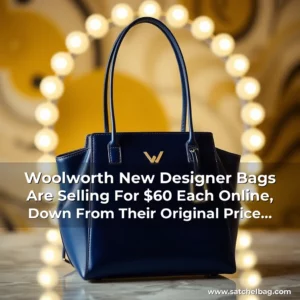
The Timeless Allure of Designer Bags: Crafting Identity Through Style
In an era where fashion is both statement and symbol, designer bags have transcended their functional origins to become icons of identity and aspiration. From the sleek lines of a Hermès Birkin to the bold statement of a Balenciaga Triple S, these accessories are not merely containers but curated expressions of personal taste, status, and craftsmanship.
Designer bags occupy a unique space at the intersection of artistry and commerce. They blend centuries-old leatherworking techniques with modern design sensibilities, creating pieces that resonate across generations while remaining firmly rooted in contemporary culture.
The Evolution of Luxury Handbags
Handbags have undergone remarkable transformations since their inception as utilitarian objects in ancient civilizations. The earliest known examples date back to Mesopotamia around 3000 BCE, where woven pouches served practical purposes before evolving into symbols of social standing.
The Renaissance period marked a significant turning point when handbags began incorporating intricate embroidery and precious metals. This shift reflected the growing importance of aesthetics alongside function, setting the stage for future innovations in bag design.
During the Victorian era, handbags became essential components of women’s attire, often featuring elaborate embellishments and rigid structures. These designs emphasized formality and decorum, aligning with societal expectations of the time.
The early 20th century saw the emergence of iconic brands like Chanel and Louis Vuitton, which redefined what a luxury handbag could be. Coco Chanel revolutionized the industry by introducing the first quilted handbag made from canvas, blending elegance with accessibility.
Modern designer bags continue this legacy through advanced materials and innovative construction methods. Brands now experiment with sustainable fabrics, high-tech dyes, and avant-garde shapes, pushing the boundaries of traditional craftsmanship.
- Material Innovation: Contemporary designers use everything from ethically sourced vegan leather to carbon fiber composites, reflecting changing consumer values and technological advancements.
- Customization Trends: Many high-end houses offer bespoke services allowing clients to personalize colors, hardware, and even stitching patterns according to individual preferences.
Understanding the Value Proposition
Investing in a designer bag involves considering multiple factors beyond mere aesthetics. True value lies in the combination of superior craftsmanship, brand heritage, and potential appreciation over time.
Authenticity verification has become increasingly critical due to the proliferation of counterfeit products. Reputable retailers and certified appraisers play vital roles in ensuring buyers receive genuine items that hold intrinsic worth.
Some brands maintain limited production runs specifically designed to create scarcity and enhance desirability. For instance, Hermès famously requires years of apprenticeship before artisans can produce its signature Birkin bags.
This exclusivity contributes significantly to resale market dynamics. Rare models often appreciate substantially over time, making certain designer bags considered investments rather than simple accessories.
Economic Impact and Market Dynamics
The global luxury goods market reached $48 billion in revenue in 2023, with handbags accounting for approximately 26% of total sales. This figure underscores the enduring appeal of designer bags across different demographics and regions.
Consumer behavior analysis reveals interesting trends: younger generations show increased interest in vintage and pre-owned designer items, driven by sustainability concerns and desire for unique finds.
Online platforms specializing in authenticated secondhand bags have experienced exponential growth, indicating shifting perceptions about ownership and consumption within the luxury sector.
This digital transformation has also created new challenges regarding authentication standards and ethical sourcing practices within the secondary market.
Craftsmanship Behind Iconic Designs
Behind every exquisite designer bag lies hours of meticulous work performed by highly skilled artisans. These professionals bring decades of experience to each stitch, fold, and finish.
Traditional techniques such as hand-stitching and tooling remain integral to many high-end productions despite advances in automation technology. Artisans spend months mastering these skills before being entrusted with actual projects.
For example, creating a single Hermes Kelly bag may require up to 18 hours of labor, involving dozens of precise steps including cutting, sewing, and assembling various components.
This level of dedication ensures that each piece maintains exceptional quality while preserving the legacy of master craftsmen who came before them.
Design Philosophy Across Major Houses
Luxury brands approach handbag design through distinct philosophies shaped by history, geography, and cultural influences. Understanding these differences enhances appreciation for diverse styles available today.
Hermès embodies French elegance through minimalist yet refined designs that emphasize clean lines and timeless beauty. Their creations often feature exotic leathers and subtle detailing that speak volumes without overt display.
Gucci, on the other hand, embraces bold experimentation with vibrant colors, playful motifs, and eclectic mixtures of textures. This Italian house continually reinvents itself while maintaining strong ties to its rich heritage.
Chanel maintains a balance between sophistication and innovation, drawing inspiration from Coco Chanel’s original vision while adapting to current fashion landscapes through collaborations and modern reinterpretations.
Regional Influences on Design Aesthetics
Geographical locations profoundly influence how different brands conceptualize their collections. Japanese labels like Sacai prioritize deconstruction techniques and unexpected material combinations characteristic of Tokyo’s dynamic streetwear scene.
Korean designers frequently incorporate elements of K-pop culture into their offerings, resulting in eye-catching color palettes and futuristic silhouettes that reflect South Korea’s rapidly evolving fashion landscape.
Meanwhile, Scandinavian brands emphasize functionality and minimalism, favoring neutral tones and streamlined forms that cater to consumers valuing simplicity alongside style.
These regional distinctions contribute to the diversity found among global luxury markets, offering something for virtually any aesthetic preference.
Sustainability Initiatives in Modern Fashion
Fashion industry leaders recognize the need for responsible practices, prompting many top-tier brands to adopt eco-friendly approaches in producing their coveted handbags.
Pioneering efforts include using recycled materials, implementing zero-waste manufacturing processes, and developing biodegradable alternatives to conventional plastics commonly used in accessory production.
Several companies have launched programs aimed at repairing damaged items instead of discarding them outright. This extends product lifespans while reducing environmental impact associated with constant replacements.
Transparency initiatives now allow customers to trace the origin of raw materials right down to individual components, fostering greater awareness about ethical consumption choices.
Collectibility and Investment Potential
Designer bags have long been recognized as collectible items capable of appreciating significantly over time. Certain rare models command astronomical prices at auction houses worldwide.
Factors influencing investment value include rarity, condition, provenance, and historical significance tied to particular pieces. Limited edition releases often generate immense demand among collectors seeking exclusive acquisitions.
Notably, some vintage purses sold at Christie’s or Sotheby’s auctions fetch millions, proving that select handbags rival fine art in terms of monetary worth.
However, investing carries risks; market fluctuations and changing tastes can affect resale values unpredictably. Smart collection building typically involves thorough research and understanding of emerging trends.
Cultural Significance Beyond Fashion
Beyond their role as fashionable accessories, designer bags carry deep cultural meanings that vary across societies and eras. They serve as markers of status, tradition, and sometimes political statements.
In Japan, carrying a Louis Vuitton Neverfull signifies affluence and cosmopolitan flair, whereas in Western contexts, it might simply represent everyday utility wrapped in luxury branding.
Historically, during wartime periods, women carried smaller clutches containing essentials rather than full-sized bags, illustrating how societal needs shape design evolution.
Today, activist movements occasionally repurpose branded accessories to make powerful visual protests against issues ranging from fast fashion exploitation to climate change activism.
The Digital Transformation of Shopping Experiences
The rise of e-commerce has dramatically reshaped how people acquire designer bags, expanding access while introducing new considerations related to authenticity and customer service.
Virtual try-on technologies enable shoppers to visualize how different styles will look on them before purchasing physically. Augmented reality features help bridge the gap between online shopping convenience and in-store experiences.
Personalized styling services offered through AI algorithms recommend tailored selections based on user preferences gathered via browsing histories and past purchases.
Despite these conveniences, physical stores still provide irreplaceable advantages like hands-on inspections, expert consultations, and immersive environments that foster deeper connections with products.
Future Trends Shaping the Industry
Looking ahead, several key developments promise to redefine the designer bag landscape in coming years. Innovations in smart textiles and wearable tech suggest exciting possibilities for integrating technology seamlessly into classic designs.
Artificial intelligence applications extend beyond recommendation systems toward predictive maintenance capabilities for leather goods, potentially extending lifespan through proactive care alerts.
Sustainable development goals continue driving progress toward circular economy models where end-of-life recycling becomes part of the product lifecycle management strategy.
As generational shifts occur, we anticipate continued diversification in target audiences, with increasing emphasis placed upon inclusivity and representation across all aspects of design and marketing strategies.
Conclusion
From their humble beginnings as simple carriers to becoming coveted symbols of status, designer bags encapsulate humanity’s enduring fascination with combining function with artistic expression.
Whether viewed as fashion staples, investment opportunities, or cultural artifacts, these meticulously crafted accessories continue shaping our world in profound ways that transcend mere aesthetics.
“`