The Ultimate Guide to Eco-Friendly Satchels: Sustainable Choices for Conscious Carriers
In an era where environmental awareness is at its peak, the shift toward sustainable living has become not just a trend but a necessity. Among the many choices individuals make to reduce their carbon footprint, selecting the right bag plays a crucial role. For members of the satchelbag community, eco-friendly options are more than just stylish accessories—they’re statements of values.
This guide explores everything you need to know about eco-friendly satchels, from materials used to production processes and how these choices impact both your daily life and the planet. Whether you’re looking to upgrade your current collection or start fresh, understanding what makes a satchel truly sustainable will empower you to make informed decisions that align with your lifestyle and ethics.
The Environmental Impact of Traditional Bags
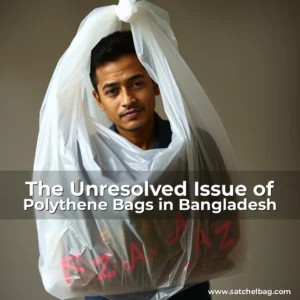
Conventional plastic and synthetic fabric bags have long been staples in our lives due to their affordability and durability. However, they come at a significant cost to the environment. These materials often require non-renewable resources such as petroleum for production, contributing heavily to greenhouse gas emissions during manufacturing.
The lifecycle of traditional bags extends beyond initial creation; disposal poses another challenge. Plastic bags can take up to 500 years to decompose naturally, leading to persistent pollution across landfills and oceans worldwide. This longevity means that every single-use plastic bag continues harming ecosystems long after its utility ends.
Synthetic fabrics made from polyester or polypropylene also contribute negatively through microplastic shedding when washed. These tiny particles end up polluting waterways and even entering food chains, affecting wildlife and potentially human health over time.
- Petroleum Dependency: Many conventional plastics rely entirely on fossil fuels which deplete natural reserves while emitting harmful gases during extraction and processing stages.
- Non-Biodegradable Materials: Unlike organic matter, most man-made substances do not break down easily under normal conditions making them hazardous waste sources indefinitely.
Eco-Friendly Materials Used in Satchels
Selecting the appropriate material is key when choosing an environmentally responsible satchel. Natural fibers like cotton, hemp, jute, and recycled nylon offer viable alternatives without compromising quality or aesthetics. Each type carries unique properties that cater differently depending upon usage needs and personal preferences regarding texture or weight.
Cotton remains popular because it’s biodegradable and renewable—provided it comes from sustainably farmed sources free from pesticides. Hemp requires less water compared to other crops while producing stronger fibers suitable for heavy-duty use cases such as carrying books or laptops regularly.
Jute stands out as well-known among weavers who appreciate its coarse texture ideal for creating structured designs typical found within rustic styles favored by outdoor enthusiasts seeking functional gear solutions too.
Recycled nylons provide excellent waterproof qualities useful especially those living near coastal areas prone frequent rainfalls. They represent innovative approaches reusing existing polymers instead generating new ones thus reducing overall demand placed upon raw resource industries globally.
Durability and Longevity of Eco-Friendly Satchels
A fundamental aspect determining sustainability lies in product lifespan. High-quality eco-friendly satchels crafted from durable materials ensure longer usability periods thereby minimizing frequency replacements required which subsequently lowers total consumption levels over lifetime ownership duration.
Investing initially higher amounts upfront may seem daunting however considering potential savings achieved via reduced replacement costs plus diminished environmental damage caused repeated purchases proves beneficial economically and ecologically alike.
Lifespan Statistics Across Different Types
Data indicates average lifespans vary significantly based upon composition chosen. For example studies show that woven jute sacks last approximately three times longer than standard polyethylene variants before showing signs wear whereas organic cotton products tend perform similarly close durations provided cared properly maintained consistently.
Fabric reinforcements further extend serviceability particularly noticeable within hybrid constructions combining natural elements alongside recycled components strategically placed stress points enhancing structural integrity against tearing incidents commonly experienced lighter-weight counterparts lacking adequate support mechanisms internally.
Design Trends in Eco-Friendly Satchels
As consumer interests evolve so does fashion landscape adapting accordingly reflecting contemporary tastes shifting towards minimalist yet purposeful aesthetics emphasizing clean lines simplicity functionality above superficial embellishments alone.
Modern eco-conscious designers prioritize ergonomics ensuring comfort throughout day whether commuting downtown running errands exploring nature trails alike. Features include adjustable straps padded interiors reinforced bases accommodating heavier loads safely positioned away sensitive items located inside compartments designated specifically thereof.
Color palettes lean earthy tones derived directly from natural dyes extracted plants minerals offering vibrant hues reminiscent landscapes fostering connection between user item itself reinforcing bond formed through shared appreciation respect environment surrounding us daily.
Accessories complementing core structures range minimalist metal hardware polished wooden accents adding subtle elegance maintaining balance between form function ultimately resulting versatile pieces adaptable numerous occasions without sacrificing ecological credentials embedded throughout entire design philosophy guiding creative direction undertaken each project launched market annually.
Maintaining Your Eco-Friendly Satchel
Proper care routines prolong enjoyment derived from owning any given piece regardless material origin utilized during construction phases involved crafting final product presented consumers today marketplace available worldwide.
For leather-based models regular conditioning prevents drying cracking preserving softness flexibility essential retaining original appearance character defining features distinguishing genuine craftsmanship versus mass-produced imitations lacking attention-to-detail typically associated handcrafted goods produced small batches limited quantities intended exclusivity appeal desired buyers prioritizing authenticity value proposition rather quantity availability metrics traditionally measured retail sectors historically dominated fast-fashion cycles promoting disposable mentality detrimental both individual budgets planetary wellbeing simultaneously affected negative consequences stemming excessive consumption patterns perpetuated continuously unless actively challenged resisted consciously adopted alternative paradigms embracing slow-living principles centered around mindful purchasing behaviors focusing quality enduring satisfaction experienced possessing fewer possessions valued deeply appreciated continually referenced throughout everyday experiences lived.
Cloth varieties benefit from gentle washing techniques avoiding harsh chemicals damaging fibers weakening seams overtime period increasing likelihood premature disintegration occurring sooner expected timeline projected initially estimated lifespan calculated assuming optimal maintenance procedures followed religiously consistently practiced diligently whenever possible irrespective external circumstances influencing decision-making process related upkeep responsibilities assigned respective owners tasked managing assets entrusted them personally professionally respectively according to roles played within broader societal frameworks established cultural norms governing expectations attached possession ownership rights conferred legal contracts binding parties involved transactions facilitating exchange commodities services rendered between entities engaged commerce activities occurring globally localized contexts simultaneously interconnected complex networks interdependent systems requiring mutual cooperation collaboration sustaining equilibrium necessary maintaining stability progress advancement civilization itself relying continuous innovation improvements implemented systematically periodically reviewed updated evolving demands emerging technologies reshaping industries transforming lifestyles altering perceptions shaping future trajectories determined collective actions taken now impacting outcomes realized later.
Community and Collaboration in the Eco-Friendly Bag Movement
The rise of eco-friendly satchels isn’t merely a trend—it represents a growing movement driven by communities united around common goals. Members of the satchelbag community play a pivotal role in advocating for sustainable practices and supporting ethical brands that share their values.
Online forums, social media groups, and local meetups serve as platforms where individuals exchange ideas, recommend trusted manufacturers, and celebrate milestones reached collectively. By participating in these spaces, you become part of something larger than yourself—an ecosystem of change-makers dedicated to protecting the planet.
Collaboration doesn’t stop at sharing knowledge. It also includes participating in events such as Earth Day initiatives, beach clean-ups, and workshops focused on DIY upcycling projects using old bags as starting materials. Such engagements foster deeper connections among participants while raising awareness about environmental issues facing our world today.
Supporting businesses committed to transparency in sourcing and fair labor practices contributes significantly towards building healthier economies rooted in responsibility rather exploitation. When shopping for eco-friendly satchels always look for certifications indicating adherence strict standards relating safety regulations, animal welfare policies, worker protections, etc., ensuring every purchase supports positive transformation happening behind scenes invisible to casual observers unfamiliar inner workings supply chain logistics management processes involved bringing finished products customers’ hands eventually becoming cherished companions embarked journeys filled meaning purpose alignment ideals held dear hearts minds shaping identities defined through conscious choices made daily routines reflected outward expressions carried proudly wherever travel leads next destination awaits horizon beckoning adventure ahead.
Beyond Individual Action: Systemic Change Through Collective Efforts
While personal choices undoubtedly influence environmental outcomes, systemic changes remain critical for achieving meaningful results. Governments, corporations, and grassroots organizations must work together to establish policies encouraging sustainable manufacturing and consumption habits across various sectors including textile industry represented here primarily via production methods applied crafting eco-friendly satchels discussed extensively previous segments detailing differences conventional counterparts highlighting benefits adopting greener approaches yielding substantial reductions waste pollution emitted throughout entire lifecycle spanning pre-production stage post-consumer phase involving recycling programs designed recover materials reintegrate back manufacturing loop mitigating reliance virgin resources altogether eliminating need extracting additional supplies contributing depletion already strained global reservoirs requiring urgent conservation measures enforced strictly monitored effectively maintained consistently upheld universally accepted protocols guiding international trade agreements regulating cross-border exchanges facilitating equitable distribution access sustainable goods services enjoyed equally amongst populations regardless geographical location socioeconomic status cultural background divergent beliefs converging singular objective safeguarding planet ensuring survival future generations inheriting legacy intact undiminished despite challenges faced present moment.
Corporate accountability forms cornerstone institutional reforms aimed rectifying unsustainable business models favoring profit maximization over ecological preservation. Companies integrating circular economy principles demonstrate commitment long-term viability enterprise operations exemplified through closed-loop systems enabling continual reuse repurposing discarded items transforming liabilities into assets generating revenue streams simultaneously decreasing operational expenses incurred acquiring raw materials subjected high energy-intensive extraction refining treatments prior deployment end-products delivered markets awaiting acquisition.
Governments can incentivize green innovations through tax credits, grants, and regulatory frameworks rewarding companies pioneering novel technologies reducing carbon footprints minimizing toxic outputs generated industrial activities. Furthermore, public education campaigns raise awareness importance adopting eco-friendly alternatives promote behavioral shifts aligning individual actions broader communal objectives pursued harmoniously cohesively efficiently without friction resistance encountered transitions inevitably accompanied uncertainties inherent change processes necessitating patience persistence perseverance navigating obstacles emerged along pathways paved forward-thinking leadership envisioning prosperous tomorrow grounded solid foundation laid today’s deliberate efforts concerted movements catalyzing profound transformations irreversible once momentum gained sufficient traction propelling society toward sustainable future envisioned by visionaries striving balance humanity nature coexistence prosperity peace harmony.
Conclusion
The journey toward eco-friendly satchels reflects a broader commitment to sustainability that transcends mere accessory selection. Choosing sustainable bags becomes an act of defiance against wastefulness, a declaration of values, and a step toward a cleaner, greener future.
If you’re ready to embrace eco-conscious living, consider investing in a high-quality eco-friendly satchel. Not only will you enjoy a beautiful, functional piece that complements your style, but you’ll also be contributing positively to the planet. Every choice matters—and yours can help shape a better world for generations to come.