The Conundrum of Polythene Bags in Bangladesh
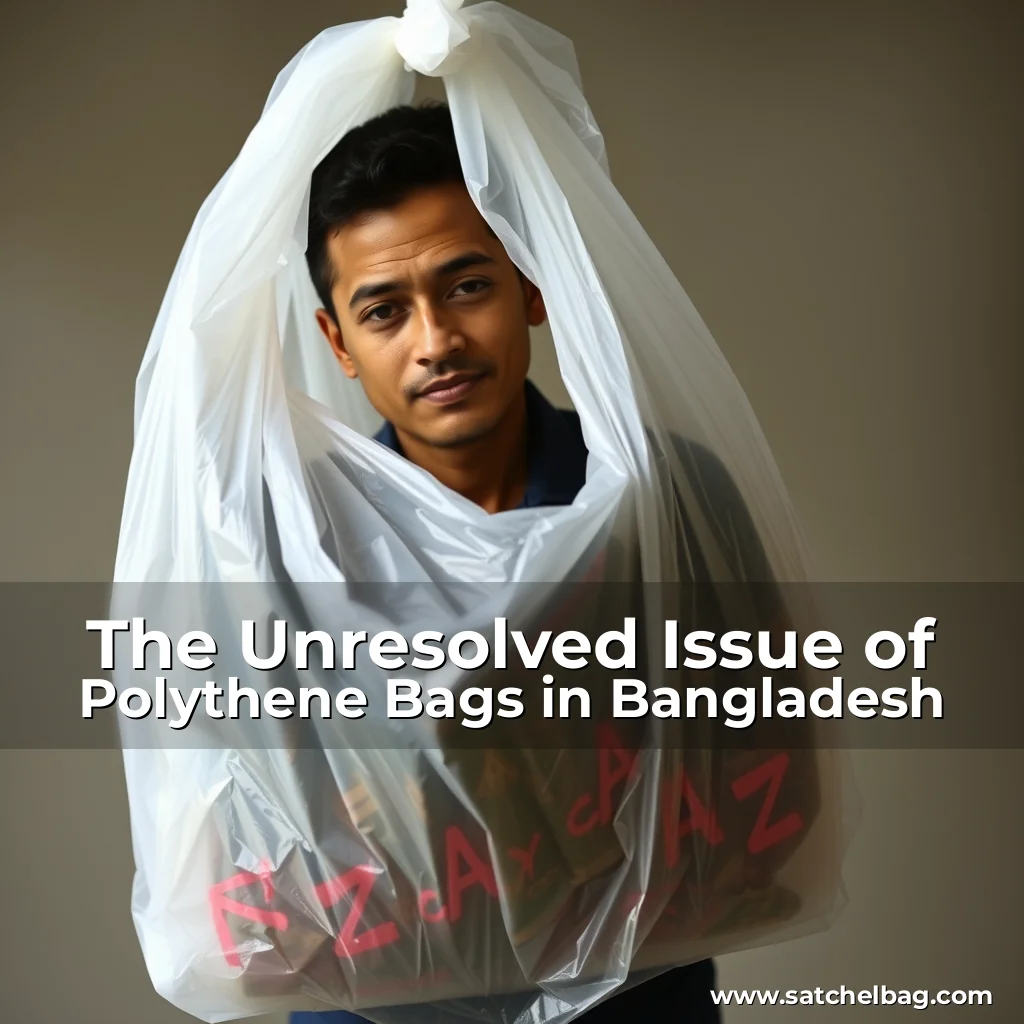
Polythene bags have been a persistent problem in Bangladesh, with the country banning their use in supermarkets and kitchen markets. However, despite the ban, polythene bags continue to be used widely, particularly in the informal sector.
The Lack of Alternative Bags
The main reason for the continued use of polythene bags is the lack of alternative bags in the market. While some manufacturers have been producing biodegradable bags from corn and bone meal, the supply is not enough to meet the demands of the market.
- Bangladesh passed a law in 2002 to ban the production, sale and marketing of polythene to protect the environment.
- Even after the ban, polythene bags are still widely used, particularly in the informal sector.
- The government has launched several campaigns to raise awareness about the ban and the importance of using alternative bags.
The Challenge of Implementing the Ban
The implementation of the ban has been challenging, particularly in the informal sector. Many shopkeepers and vendors continue to use polythene bags, claiming that they are convenient and cost-effective.
“We will find out if there is a campaign,” said Rakib, a shopkeeper at Mayer Doa Store in Muslim Bazar. “I don’t see jute bags. If you walk around the entire Muslim Bazar — you won’t find any jute bags from any shopkeeper. Not just here, everywhere.”
Experts Weigh In
Experts argue that banning polythene for a few days and imposing fines is not a sustainable solution. Instead, they emphasize the need for a viable and accessible alternative to ensure lasting change.
- Kamruzzaman Majumder, a professor of environmental science at Stamford University, said that a gradual removal of polythene from the market, allowing consumers time to adjust to new options, is the best approach.
- He also emphasized the need for a dedicated regulatory body to oversee the alternative bag sector and for the government to engage directly with polythene producers and work to raise awareness among the public.
The Way Forward
The way forward is to implement a comprehensive plan to address the issue of polythene bags in Bangladesh. This includes:
- Increasing the supply of alternative bags in the market
- Regulating the production and sale of polythene bags
- Engaging directly with polythene producers and raising awareness among the public
- Implementing a system to monitor and manage the use of polythene bags
Conclusion
The issue of polythene bags in Bangladesh is a complex one, requiring a comprehensive approach to address. While the ban on polythene bags is an important step, it is not enough to solve the problem. A more effective solution is needed to ensure that the benefits of the ban are realized and that the environment is protected.
| Country | Production of Polythene Bags per Day |
|---|---|
| Dhaka City | 10 million |
| Other Cities | 5 million |
The use of polythene bags in Bangladesh is a significant problem, with the country producing and consuming large quantities of these bags. The ban on polythene bags in supermarkets and kitchen markets has been in place since October 2024, but the problem persists. In this article, we will explore the issue of polythene bags in Bangladesh and discuss possible solutions.
The Consequences of Polythene Bags
Polythene bags have severe consequences for the environment. They are made from non-biodegradable plastic that can take hundreds of years to decompose. When polythene bags are used, they can leak chemicals and other pollutants into the environment, causing harm to plants and animals.
- Polythene bags are made from non-biodegradable plastic that can take hundreds of years to decompose.
- When polythene bags are used, they can leak chemicals and other pollutants into the environment, causing harm to plants and animals.
Examples of Alternative Bags
There are several types of alternative bags that can be used instead of polythene bags. Some examples include:
- Biodegradable bags made from corn and bone meal
- Jute bags
- Cloth bags
These alternative bags are made from biodegradable materials and can be composted at the end of their life cycle. They are a more sustainable option than polythene bags and can help reduce the amount of plastic waste in the environment.
The Future of Polythene Bags in Bangladesh
The future of polythene bags in Bangladesh is uncertain.
- The government needs to increase the supply of alternative bags in the market
- The government needs to regulate the production and sale of polythene bags
- The government needs to engage directly with polythene producers and raise awareness among the public
The use of polythene bags in Bangladesh is a complex issue that requires a comprehensive approach to address. In Bangladesh, polythene bags are still widely used, despite the ban on their production, sale, and marketing. The ban was implemented in 2024, but it has not led to a significant reduction in the use of polythene bags. Several factors contribute to the continued use of polythene bags, including the lack of alternative bags, the convenience of polythene bags, and the lack of public awareness about the ban. The government has launched several campaigns to raise awareness about the ban and the importance of using alternative bags. However, these efforts have not been successful in reducing the use of polythene bags. Experts argue that banning polythene for a few days and imposing fines is not a sustainable solution. A gradual removal of polythene from the market, allowing consumers time to adjust to new options, is the best approach. The government needs to engage directly with polythene producers and work to raise awareness among the public. It also needs to regulate the production and sale of polythene bags and increase the supply of alternative bags in the market. Implementing a system to monitor and manage the use of polythene bags is also necessary. The use of polythene bags in Bangladesh has severe consequences for the environment. Polythene bags are made from non-biodegradable plastic that can take hundreds of years to decompose. There are several types of alternative bags that can be used instead of polythene bags. Some examples include biodegradable bags made from corn and bone meal, jute bags, and cloth bags. These alternative bags are made from biodegradable materials and can be composted at the end of their life cycle. The future of polythene bags in Bangladesh is uncertain. The government needs to increase the supply of alternative bags in the market, regulate the production and sale of polythene bags, and engage directly with polythene producers and raise awareness among the public.