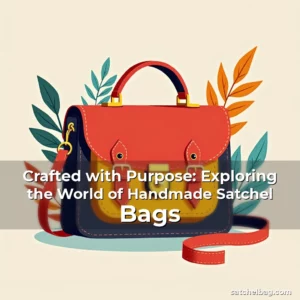
The Artisan’s Touch: Crafting Timeless Handmade Satchel Bags
In a world dominated by fast fashion and mass production, handmade satchel bags stand as a testament to enduring craftsmanship, individuality, and purposeful creation. These satchels transcend mere functionality; they become heirlooms shaped by human hands, stories embedded within their seams, and symbols of sustainable living.
From bustling artisan markets to quiet workshop studios, handmade satchel bags carry a legacy rooted in tradition while embracing innovation. They offer wearers a connection to both heritage and creativity—a duality that makes them invaluable to those who seek meaning in what they own.
A Legacy Woven Through Time: The Origins of Handmade Satchel Bags
Satchel bags trace their lineage back centuries, evolving alongside societies’ needs and aesthetics. Early versions were crafted from animal hides and woven fibers, designed for travelers carrying books, tools, or trade goods across vast distances. Their utility was paramount, yet their design subtly reflected regional artistry.
In medieval Europe, monks carried satchels made from coarse wool and reinforced with wooden frames, ensuring durability during long pilgrimages. Meanwhile, in Asia, bamboo and silk combinations became popular, blending strength with elegance. These early iterations laid the foundation for today’s diverse range of styles and materials.
- Cultural Significance: Across civilizations, satchels symbolized knowledge, exploration, and practicality. In Japan, the “kamishimo” bag served both functional and ceremonial roles, often embroidered with family crests.
- Evolving Designs: As transportation methods advanced—from horseback to carriages—the shape and size of satchels adapted. By the 19th century, leather-bound designs gained popularity among scholars and professionals seeking refinement.
Why Choose Handmade? Unveiling the Allure Beyond Aesthetics
Beyond their visual charm, handmade satchel bags captivate consumers with tangible benefits that extend far beyond style. Each piece embodies a level of attention to detail impossible to replicate through industrial manufacturing. This meticulousness results in superior quality and unmatched versatility.
Handmade satchels often incorporate unique features tailored to the owner’s preferences, whether through custom stitching patterns, personalized compartments, or unconventional fabric blends. Such bespoke touches create items that feel deeply personal rather than merely purchased.
The Value of One-of-a-Kind Craftsmanship
According to a 2023 survey conducted by the Global Sustainable Fashion Coalition, 68% of respondents reported feeling more connected to their belongings when they knew the item had been handmade. This emotional investment stems from knowing that each stitch carries intention and effort.
Furthermore, studies show that well-crafted satchels last significantly longer than factory-made alternatives. For instance, a leather satchel constructed by skilled artisans may endure decades with minimal upkeep compared to cheaper synthetic counterparts that degrade quickly.
Making Magic: Materials Used in Handmade Satchel Creation
Selecting the right materials is crucial in crafting a timeless satchel. Artisans carefully consider factors like texture, weight, breathability, and environmental impact before choosing fabrics or leathers. Natural materials remain particularly favored due to their organic qualities and longevity.
Leather is a classic choice, prized for its resilience and ability to develop character over time. Full-grain leather, in particular, offers unparalleled durability and a rich patina that deepens with use. Other options include vegetable-tanned leather, which ages gracefully without harsh chemicals.
- Canvas and Linen: Lightweight yet robust, these natural textiles provide excellent ventilation and are ideal for urban lifestyles. Reinforced with cotton duck or waxed linen, they resist tearing even under heavy loads.
- Hemp and Jute: Eco-conscious creators often opt for these plant-based fibers, known for their biodegradability and rustic aesthetic. Hemp, especially, is renowned for its tensile strength and resistance to mold and mildew.
Personalizing Your Perfect Bag: Customization Options Explored
One of the most compelling aspects of purchasing a handmade satchel is the opportunity to personalize it. From selecting colors and textures to adding intricate embellishments, customization ensures your bag reflects your personality and lifestyle.
Many artisans offer collaborative sessions where clients can sketch ideas or choose from pre-designed templates. Features like interior pockets, adjustable straps, and lining materials can also be modified to suit specific needs. Whether you prefer minimalist elegance or bold statement pieces, there’s a way to tailor your satchel perfectly.
Tips for Effective Communication With Makers
To maximize your creative input, clearly communicate your vision through sketches, photos, or mood boards. Be specific about desired dimensions, weight capacity, and intended usage scenarios. Remember that some modifications may affect pricing or delivery timelines.
Additionally, inquire about available finishing touches—such as engraved clasps, contrasting stitching, or hidden zippers—that can elevate the overall look and functionality of your customized satchel.
Preserving Perfection: Care Guidelines for Longevity
Proper maintenance is key to extending the lifespan of your handmade satchel. While high-quality construction provides inherent durability, regular care prevents premature wear and preserves its appearance. Simple practices can protect against damage caused by moisture, sunlight expo
When cleaning leather satchels, gently wipe surfaces with a soft cloth dampened in lukewarm water. Avoid submerging the bag or using abrasive cleaners that strip away natural oils. Allow it to air dry completely before storing it away in a cool, dark place.
- Protective Coatings: Applying a waterproof spray specifically formulated for leather can enhance resistance to spills and rain without compromising breathability. Reapply annually or after frequent use outdoors.
- Storing Smartly: Always store your satchel upright in a dust bag or padded compartment to prevent deformation. If folded, do so evenly to maintain structural integrity.
Where to Find Authentic Handmade Satchels: Markets & More
Locating authentic handmade satchel bags requires discernment, especially given the rise of counterfeit imitations. Trusted sources include independent artisan workshops, curated online platforms, and established craft fairs that prioritize ethical sourcing and transparent processes.
Online marketplaces like Etsy and Instagram feature numerous small businesses specializing in handmade accessories. However, buyers should scrutinize reviews, examine product descriptions thoroughly, and reach out directly to sellers for clarification whenever uncertainties arise regarding authenticity.
Supporting Local Communities Through Purchases
Purchasing locally produced satchels supports regional economies and reduces carbon footprints associated with shipping global imports. Seek out boutiques in historic districts or participate in pop-up events showcasing emerging designers committed to fair labor practices.
Some cities host annual festivals celebrating traditional craftspeople, offering direct access to creators whose expertise spans generations. Attending such gatherings allows potential owners to witness firsthand the skill involved in crafting each satchel.
Debunking Misconceptions About Handmade Products
Despite growing appreciation for artisanal goods, several myths persist surrounding handmade satchel bags. One widespread belief holds that they’re inherently more expensive than machine-made alternatives—an assumption that overlooks variations in cost depending upon complexity, materials used, and maker experience levels.
Another misconception involves perceived fragility. Many assume that because things are made manually instead of via automated systems means they will break easily. Yet seasoned artisans employ techniques refined over years to produce resilient, reliable products capable of withstanding daily demands.
- Price Range Diversity: Entry-level options exist starting below $100, while luxury editions featuring exotic skins or gemstone accents command thousands. Prices reflect not just labor hours invested but also rarity of components selected.
- Durability Facts: Well-maintained handmade satchels frequently outlast commercial brands thanks to superior build quality. Independent testing shows certain models surviving upwards of ten years with routine use.
Embracing Sustainability: The Green Edge of Handmade Satchels
In an era increasingly concerned with ecological responsibility, opting for handmade satchel bags aligns with environmentally conscious values. Unlike mass-produced items relying heavily on petroleum-based synthetics, many artisan creations utilize recycled, biodegradable, or ethically sourced resources.
This shift toward greener manufacturing extends beyond raw material selection. Reduced packaging waste, localized distribution minimizing emissions, and support for circular economy principles further solidify the role of handmade bags within sustainable consumption trends.
- Upcycling Practices: Innovative makers repurpose discarded denim jeans, vintage scarves, or even old sails into stunning new bags, giving fresh life to otherwise unused textiles.
- Carbon Footprint Reduction: Shorter supply chains mean fewer miles traveled between producer and consumer, thereby lowering greenhouse gas outputs linked to international transport logistics.
Future Trends Shaping Handmade Satchel Design
The future of handmade satchel bags promises exciting developments driven by technological advancements and shifting consumer expectations. Digital fabrication tools enable greater precision in pattern-making, allowing artists to experiment boldly with shapes previously deemed impractical.
Moreover, collaborations between traditional craftsmen and tech-savvy innovators introduce hybrid solutions combining age-old skills with cutting-edge materials. Expect increased integration of smart technology features like built-in USB ports, solar-powered charging areas, or RFID-blocking linings for enhanced security.
Adapting to Modern Lifestyles
As remote work becomes commonplace, demand rises for multifunctional satchels equipped with dedicated laptop sleeves, tablet organizers, and cable management systems. Some newer models even accommodate foldable bikes or compact yoga mats inside secondary compartments.
Simultaneously, younger generations express interest in modular designs permitting interchangeable interiors or detachable pouches tailored to changing activity needs—from office meetings to weekend adventures.
Conclusion
Handmade satchel bags represent more than fashionable accessories—they embody a philosophy centered around quality, sustainability, and meaningful connections between creator and user. Their presence enriches our lives by reminding us of the beauty found in slow, intentional processes.
By investing in a handcrafted satchel, individuals contribute positively towards preserving artisan traditions while enjoying a uniquely personalized item destined to accompany them through countless journeys ahead. Explore local markets or reputable online vendors today and discover your perfect companion piece waiting to be discovered.